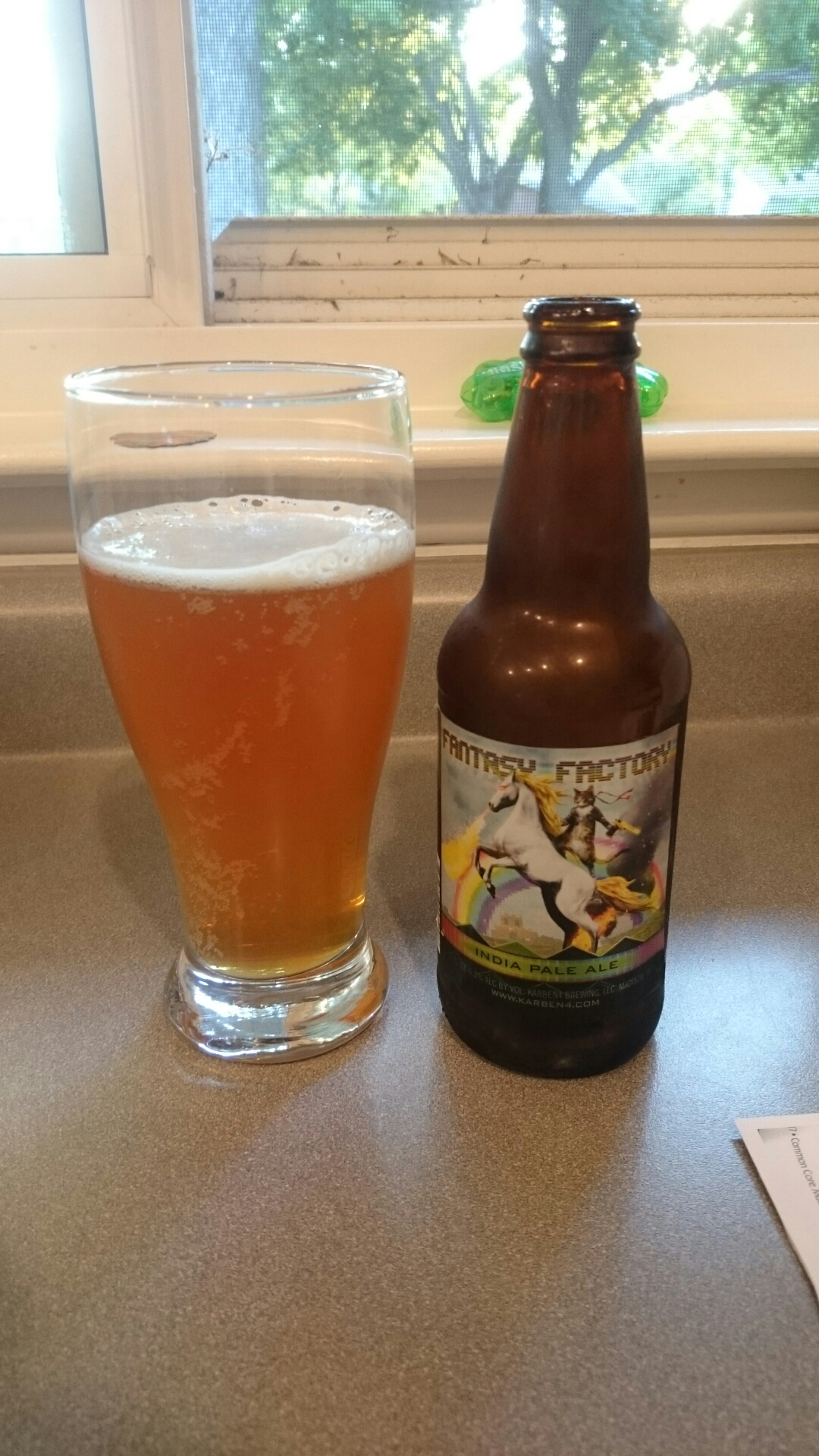
Sweet, dry aroma. Slightly crisp flavor bite quickly backfilled by a clean malt taste. Finishes slightly sweet, but clean. Best by 9/29/2016, and drank on 6/29, so still 3 months of life left.
4 out of 5 stars.
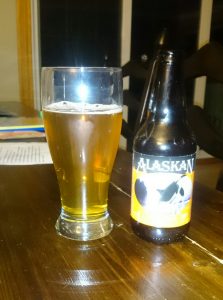

Sweet, dry aroma. Slightly crisp flavor bite quickly backfilled by a clean malt taste. Finishes slightly sweet, but clean. Best by 9/29/2016, and drank on 6/29, so still 3 months of life left.
4 out of 5 stars.
Every homebrewer has their own unique perspective on the hobby. Different reasons of why you got into the hobby, different parts of it that bring you joy, different parts you hate, and different things you want to get out of it. Some people started in homebrewing because they just wanted to make something of their own, and as long as it’s homemade, they don’t sweat the details. Some find joy in building their own mega-system, customized to their own design and made up of bits procured from homebrew shops, hardware stores, and obscure hobby websites. Others are just into developing the perfect recipe they’ve got trapped up in their head. The list can go on and on.
When I first saw all-in-one brewing systems in the LHBS, I scoffed and said, “Who’d want to brew in one of those? It takes all the fun out of it.” The guy working replied, “Well, unless your joy comes from the recipe creation process and working to perfect your recipes.” I was skeptical, but it did get me thinking about what my personal joy of homebrewing was driven by.
I started my homebrewing life probably similar to many. I was really into beer, and the idea of making a hobby out of it, made it sound more sophisticated than just sitting around and drinking it. It was fun, but the lackluster results left me struggling to justify why I should go through all the trouble just to make 2 cases of mediocre beer when the beer store was overflowing with great options. I plugged along in the love/hate relationship for several years with extract and partial mash brewing, never quite satisfied with the results. Before giving up on homebrewing altogether, I decided I’d give it one last shot and I invested in some all-grain equipment to see if it was all it was purported to be. It was a Eureka moment as the telltale extract sweetness was gone and I was enjoying the beer now and all the newfound control knobs to experiment with (grains, mash temperatures, process details, etc.).
So after the words from the LHBS about all-in-one systems bounced around in my head for a few months, I started to see some merit in them. While some of the systems were marketed to appeal to extract brewers in an attempt to make the all-grain process seem less scary, for me it wasn’t about that. I was already all-grain brewing and loving it. Or at least most of it. Two things that nag me are process repeatability/control, and the length of time of my brew day.
As an engineer, my whole brewing process is very detail-oriented. Starting from my recipe formulation on what exactly I’m trying to accomplish, what ingredients will best help me achieve that, and what aspects of the process I need to control. I write it all down in a detailed brew log notebook on brew day, and then I savor and analyze the results taking more notes on what I think worked, what didn’t, and what I should change next time. Here enters my 2 nagging problems. If I want to make that Pale Ale again, but tweak the malt flavor by modifying the grain bill, I want everything else to remain the same so I know if I was turning the right knob or if I should pursue some other change. But if I get largely varying mash efficiencies, or don’t have good control of mash temperature, I frequently find I’m changing more things than intended.
Everyone’s life has its own list of things that keep you busy. For me, it’s being married and having 2 young boys. So trying to carve out an 8 hour chunk of time for brew day can be a challenge, and that means I can’t brew as frequently as I want. So when I do get a brew day planned, it’s a fight between going back to that Pale Ale recipe to try out my tweak or making that Dusseldorf Alt that popped into my head 2 weeks ago and I can’t stop thinking about it. If a ‘Brew Day’ could be morphed legitimately into a ‘Brew Afternoon’ or ‘Brew Night’, I’d have time to do both Pale Ale Version 2.0 and Dusseldorf Alt 1.0. In other words, I could develop my skills at brewing more quickly by being able to go back and really experience what the process and ingredient changes make in the finished beer. I’ve heard several people mention that it takes 3 attempts at brewing a given beer/recipe until you can get it dialed in at exactly where you want it. I definitely have had the same experience.
More to come on my experiments on HomeBrewTalk.com in the near future as I compare multiple systems.
Faintly sweet aroma. Full flavor sweetness with a slight harsh edge. I suppose I can taste some herbal tea flavors on there. Somewhat resinous aftertaste that fades out.
3 out of 5 stars.
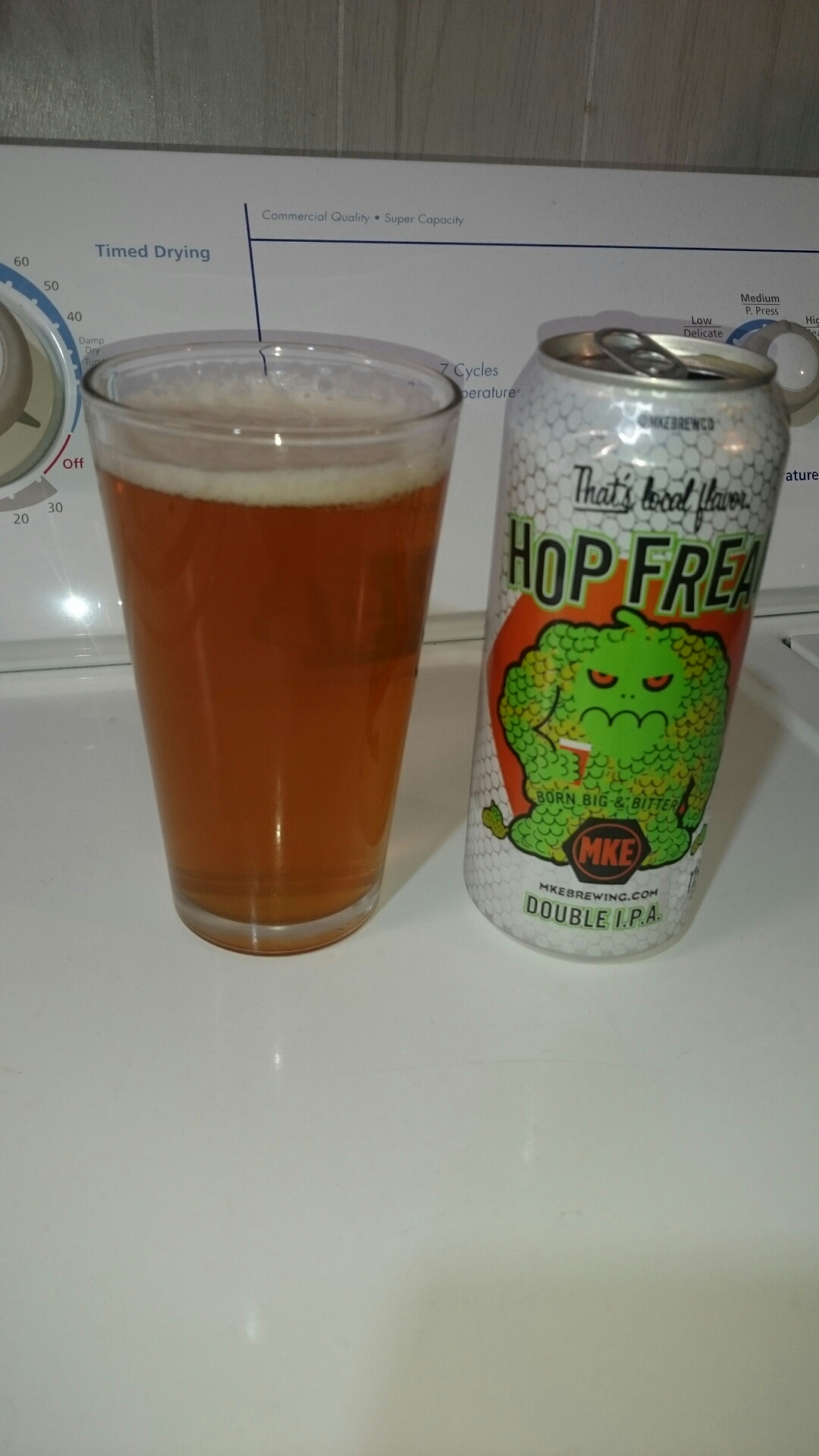
Nice sweet aroma like fruit. Taste is a mix of caramel malt and hops, followed quickly by a clean grain taste. Eventually fades to a mild hop aftertaste.
4.5 out of 5 stars.
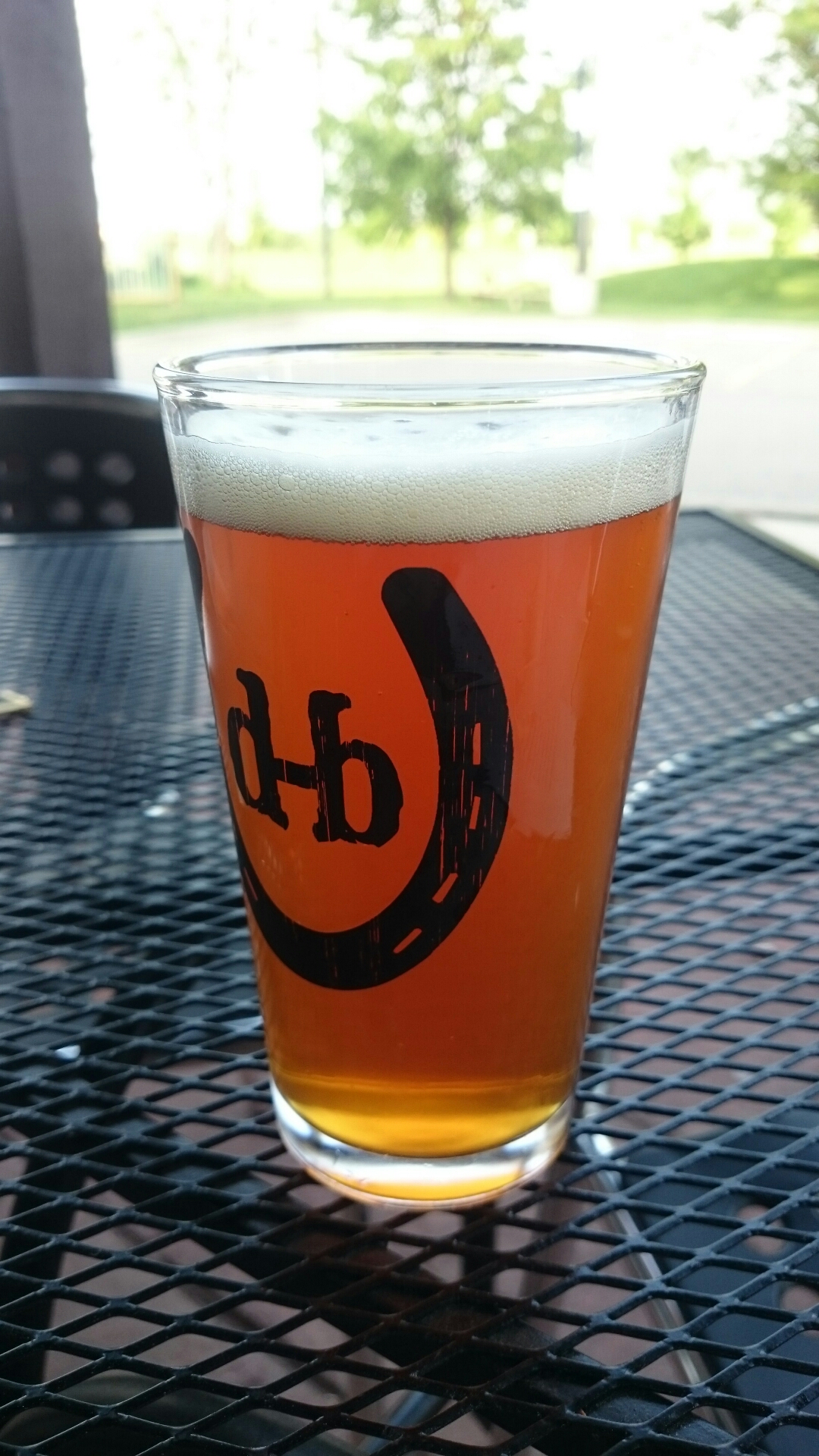
Sharp, bitter extreme fruity hop aroma. Flavor a balance of fruity hops and malt in the background. Initial taste is a bit overly sweet/harsh, aftertaste is a clean malt lingering.
3.5 out of 5 stars.
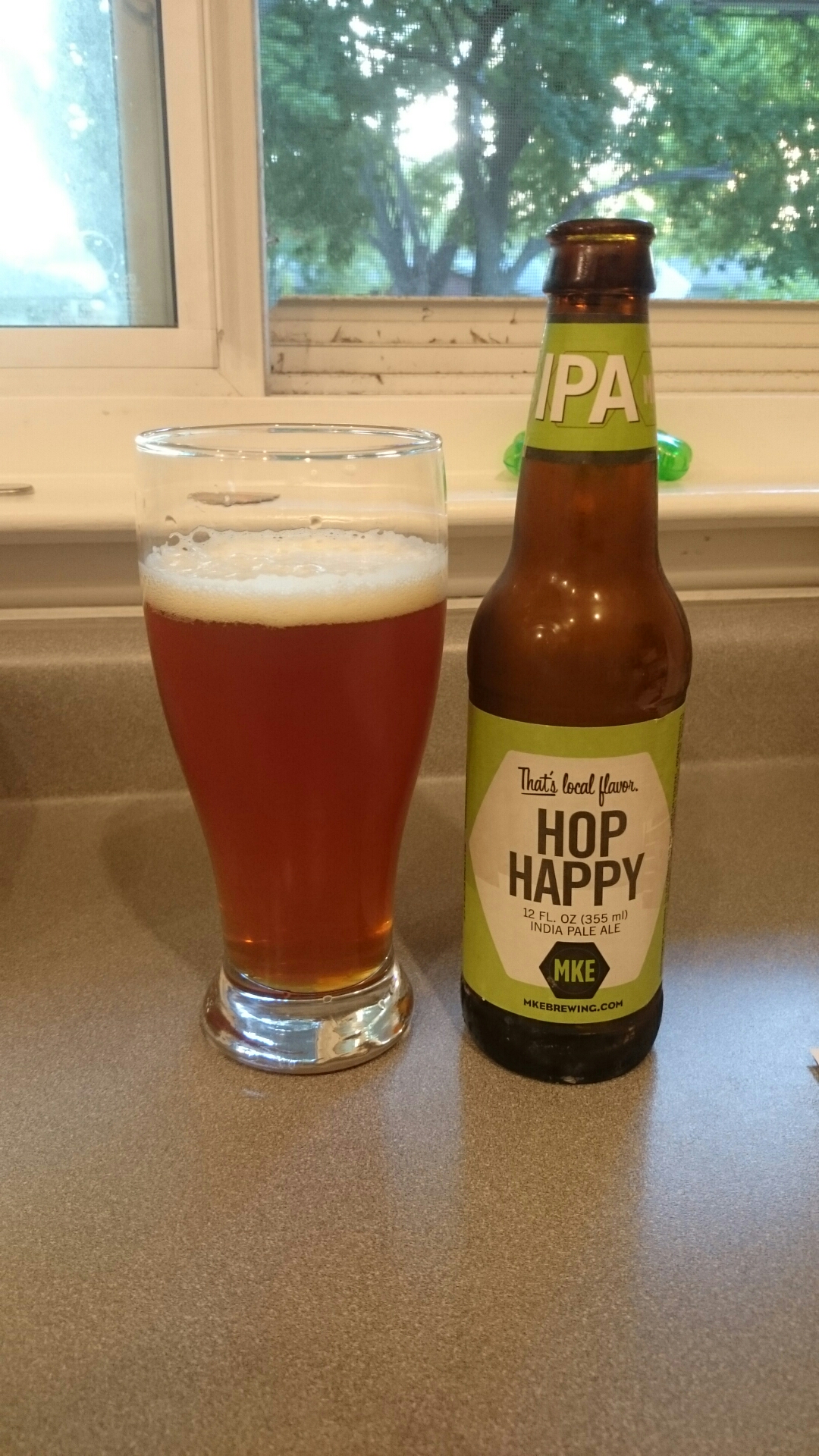
Slightly sharp hop aroma. Slight hop bite followed by nice malty flavor with some caramel sweetness lingering. Refreshing, although the sharp hop bite and full malt flavor seen a bit like two competing radios at high volume. One or the other turned down a bit would be nice.
4 out of 5 stars.
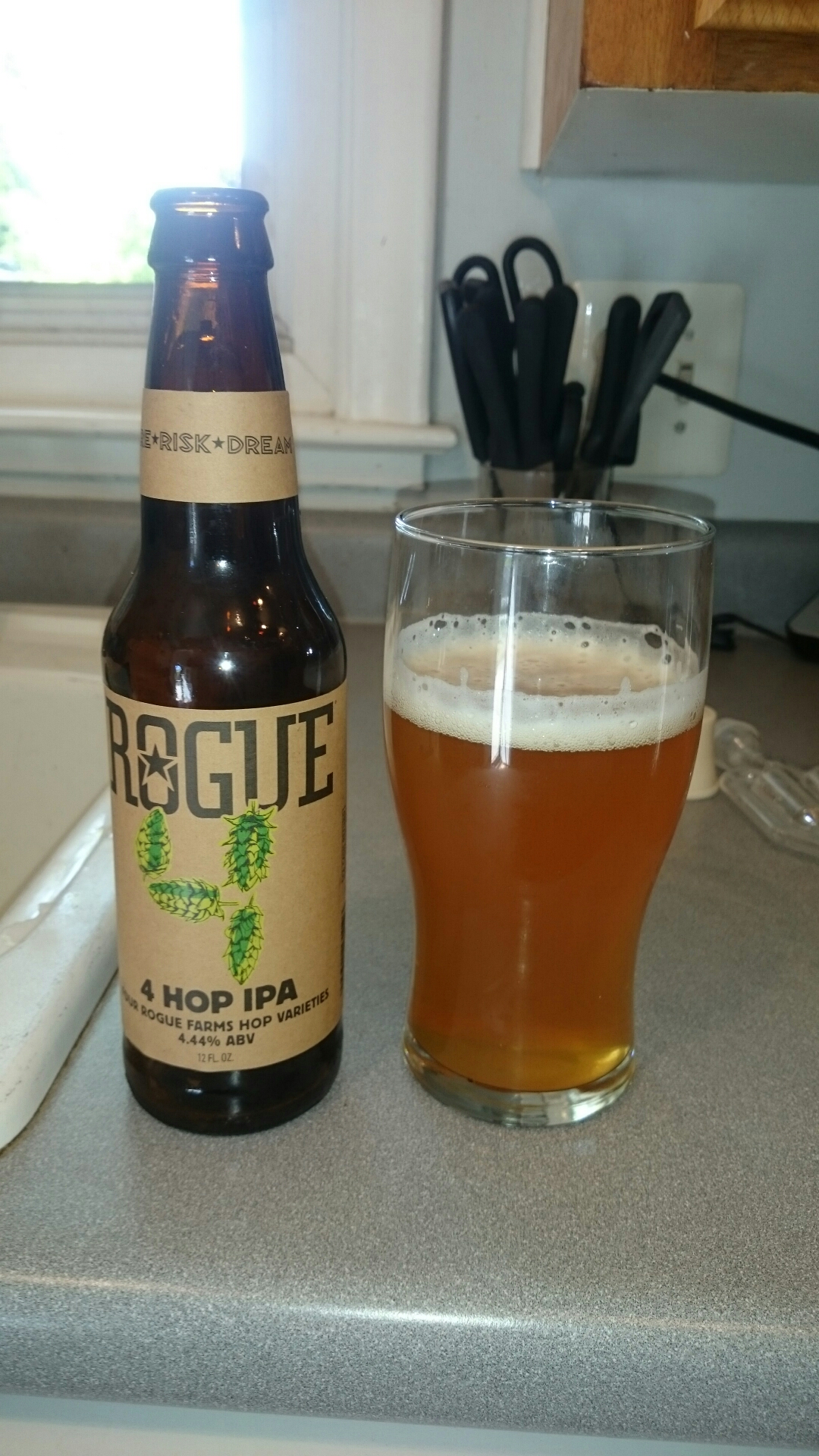
Sweet aroma, almost like citronella. Very tart taste with an immediate rush of malt flavor. This then gives way to a nice fresh juicy hop flavor that’s not bitter at all. Very nice and drinkable. Amazing flavors for a 4.4% ABV beer. It doesn’t taste watered down or lacking at all.
5 out of 5 stars.
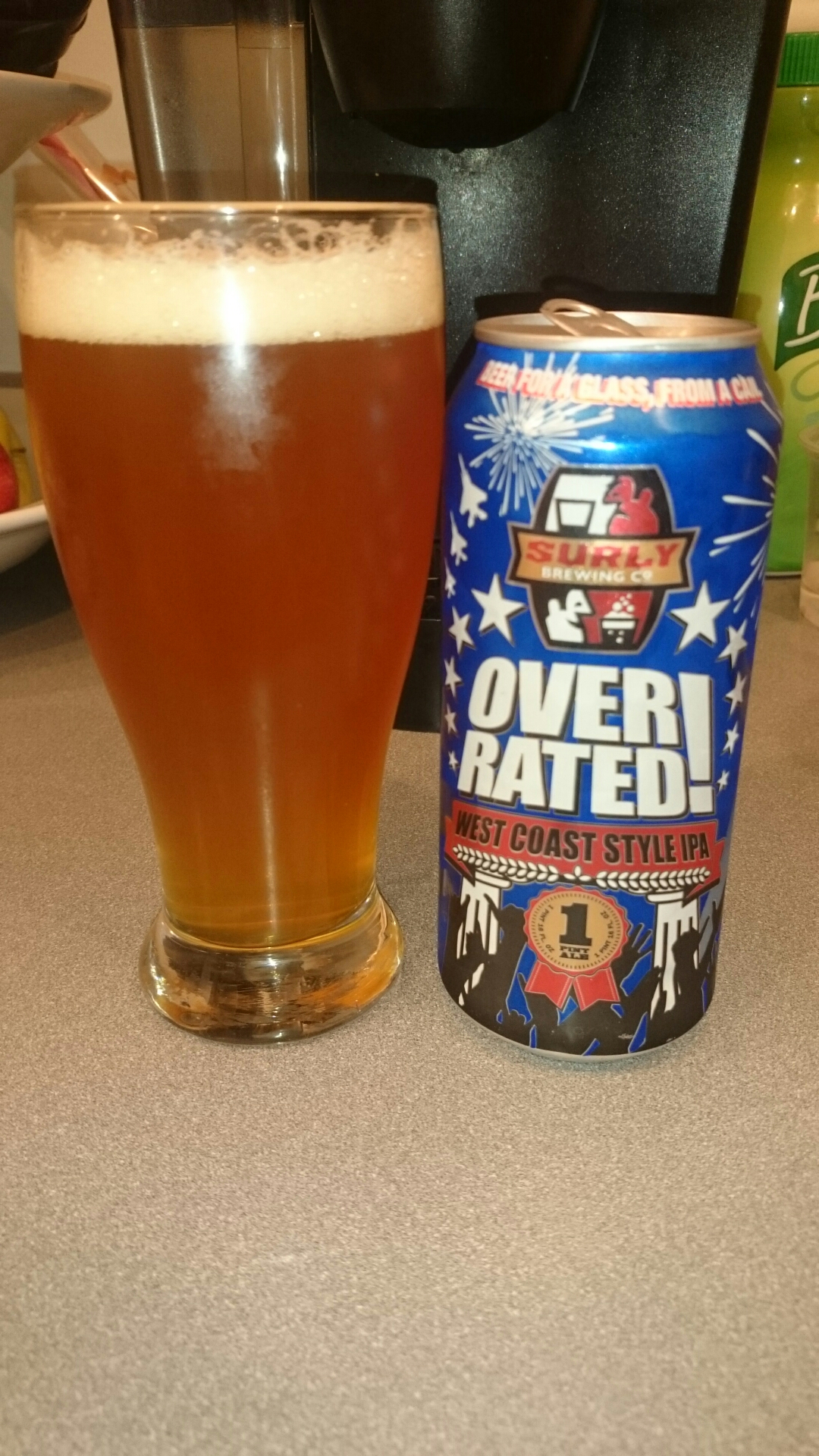
Slightly resinous hop flavor with a slightly bitter caramel malt sweetness. Lingering aftertaste that’s a mix between the two.
3 out of 5 stars.
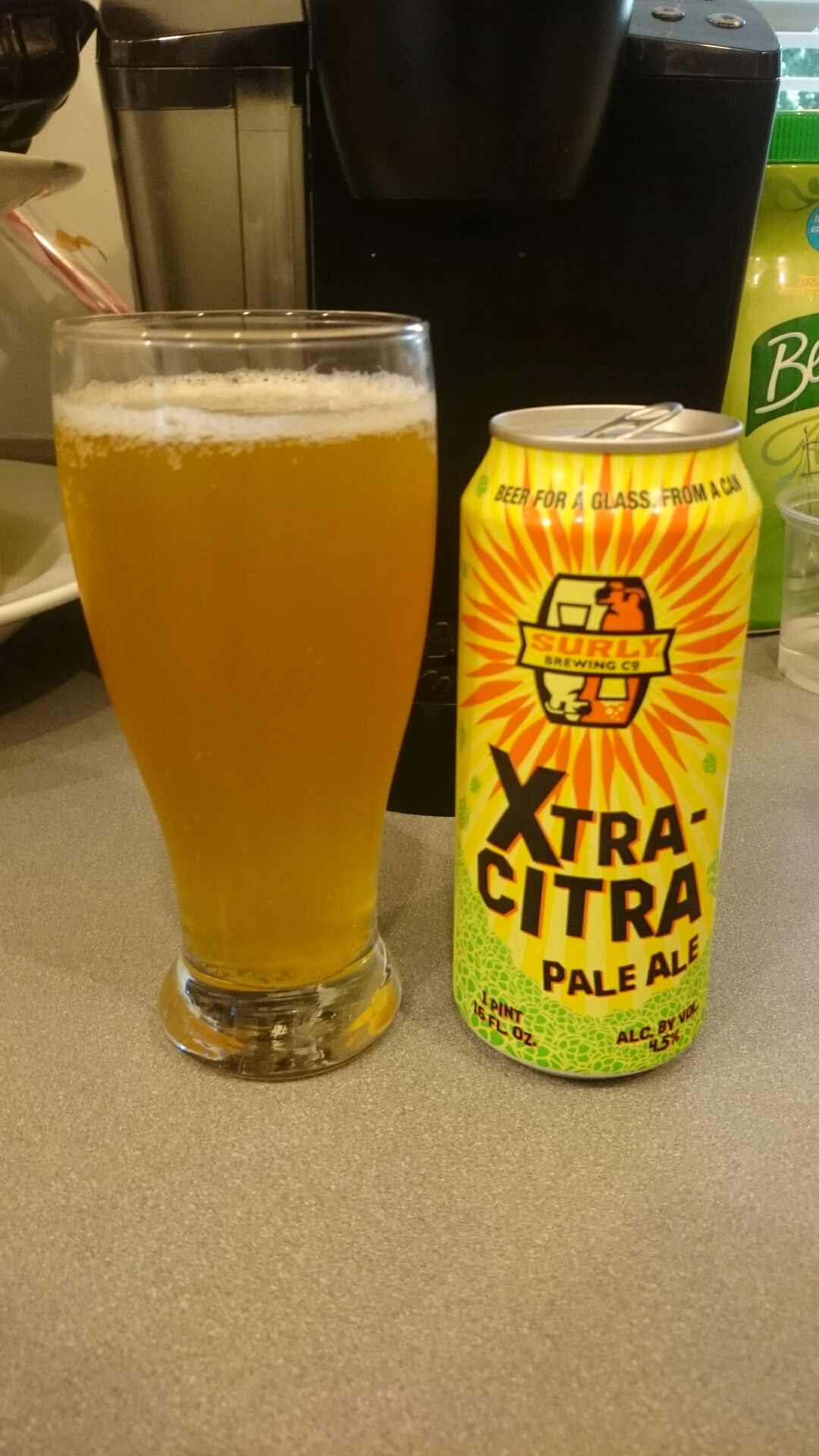
Sweet aroma, crisp taste. Refreshing and crisp but not much malt presence.
4 out of 5 stars.
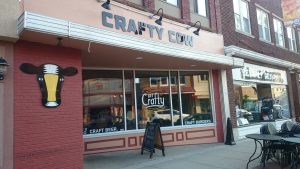 I came to Oconomowoc, WI to visit U-Brew-U as research for one my stories I’m working on. The internet told me there was a good beer bar in town so I checked it out after getting settled into my hotel. The downtown area of Oconomowoc was quite pleasant and scenic, I could easily imagine convincing the wife this was a great place to stroll around.

Inside, the Crafty Cow was fairly large, with a long bar and lots of table seating stretching way back. They had about 20 different things on tap, all of them Midwest craft beers.  Several of them were Bell’s, so I of course skipped over those to find something interesting that I can’t get back in Michigan. I quickly found 4 that I was curious about so that rounded out my sampler. The beers were all good, some more than others.
 The Crafty Cow specializes in deep-fried cheese curds. I thought this sounded cool, so ordered the “cheese curd of the day” which had a Sriracha-sauce breading, and Sriracha-sauce creamy dip. Holy cow, this was amazing. I’ve had cheese curds before, and liking cheese, I enjoy their different “rubbery” texture. But bread them and deep fry them and lookout. You still got a sense of the curd texture, but it was softened by the heat and they were delicious. I must’ve eaten about 3/4 pound block of cheese wrapped up in this delectable delivery system.
I had a burger too (so I didn’t just have a 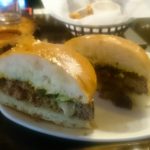 dinner of cheese curd), and it was likewise awesome. Altogether, this place was great. Great location in a nice downtown area, good-sized place with friendly staff and great beer selection, and yes, the food.